
Social Isolation: Why Campus Can Feel Intensely Lonely
Surviving profound loneliness and social isolation in Nigerian universities. Overcoming social anxiety, finding genuine study communities, and building lasting friendships.

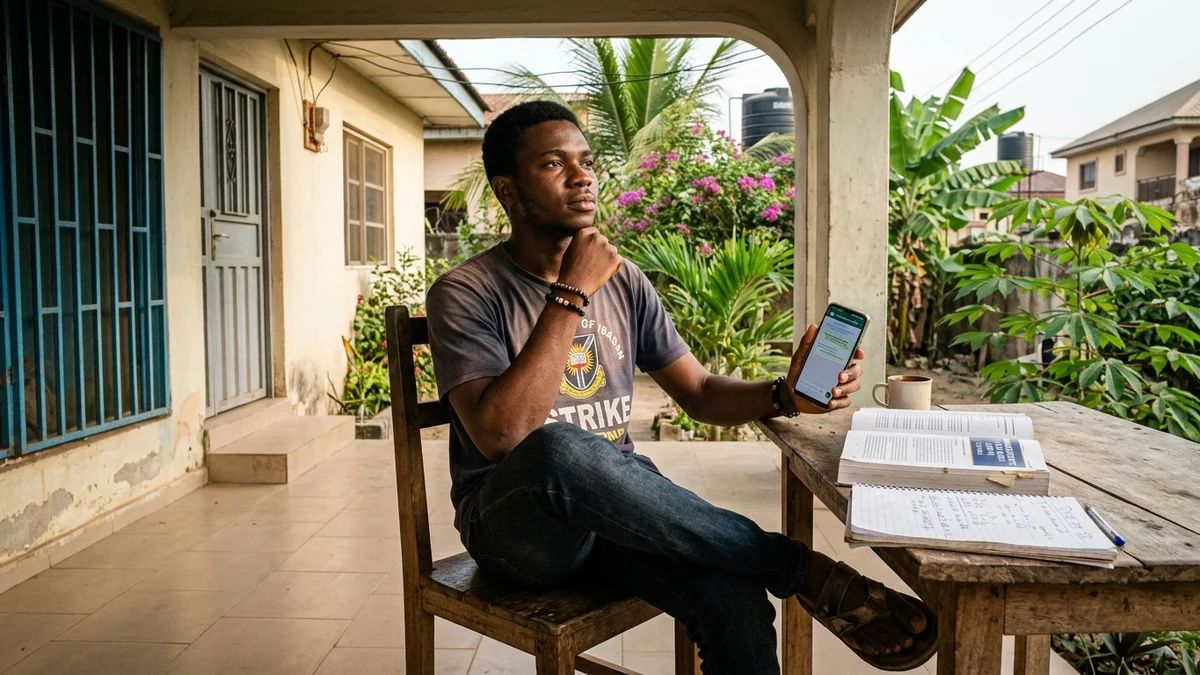
Social Isolation: Why Campus Can Feel Intensely Lonely
You walk across the university faculty quadrangle at 1:00 PM.
Around you, thousands of undergraduates are talking, laughing, taking selfies, and walking in lively groups toward the campus cafeteria. The entire campus feels loud, vibrant, and alive.
Yet, inside your chest, you feel an aching, hollow emptiness.
You return to your small off-campus room, lock the door, sit on your mattress, and realize you have not had a single meaningful, authentic conversation with another human being in three weeks.
You have 400 contacts on WhatsApp, but nobody you could call at 10:00 PM if an emotional or academic crisis struck.
Welcome to the quiet epidemic of higher education: Campus Social Isolation.
In Nigerian tertiary institutions, loneliness is rarely discussed. Culturally, campus is portrayed as the best four years of your youth. Admitting you are deeply lonely feels like admitting personal failure.
Here is the truth about campus loneliness, why it occurs in crowded environments, and how to build authentic, supportive social connections.
1. The Paradox of Hyper-Density: Crowds Without Connection
Sociologists define The Density Paradox: the more densely populated an environment, the harder it can be to establish genuine human intimacy.
In secondary school, friendships developed automatically through assigned seating in small classes of 35 students over six consecutive years.
In a university:
- You sit in a lecture hall of 600 strangers where students shuffle seats daily.
- Conversations are transactional: *"Excuse me, is this seat taken?"* or *"Can I snap your note?"*
- After lectures, students scatter instantly to distant off-campus lodges across town.
Without deliberate, structured social engineering, it is easy to spend four years in a university without making a single enduring friend.
For introverted students navigating large presentation rooms, review our guide on introverted students surviving oral presentations.
2. The Toxic Mask of Campus Social Media
Campus loneliness in Nigeria is severely exacerbated by social media:
- You scroll through Instagram and TikTok, seeing classmates posting videos at expensive rooftop lounges, faculty dinners, and glamorous campus pageants.
- You assume everyone else is living an extraordinary, connected student life while you are trapped alone in your room eating dry crackers.
What you do not see is the reality behind the camera:
Empirical campus mental health surveys reveal that over 65% of Nigerian undergraduates report experiencing acute periods of loneliness, alienation, and social disconnection during their degrees. The party photos are often desperate attempts to project social belonging.
Learn how introverted roommates carve out mental peace in introverted roommates creating quiet study sanctuaries.
3. The 3-Tier Friendship Architecture: How to Break Isolation
Overcoming loneliness does not require becoming an extroverted socialite. It requires finding two or three aligned people:
Tier 1: The Academic Ally
Find one student in your department who shares your hunger for high academic performance. Approach them with an intellectual proposition: "I'm drilling past questions for CHM 201 every Tuesday from 4:00 PM to 6:00 PM at the departmental library. Do you want to review together?" Academic partnerships frequently evolve into deep personal friendships.
Tier 2: The Service Community
Join a structured, values-driven campus organization: the campus Red Cross unit, the university debate club, a tech community (GDSC), or your religious fellowship media crew. Working on shared service goals breaks social awkwardness effortlessly.
Tier 3: Radical Vulnerability
Friendship begins when one person dares to be honest. When someone asks "How are you?", instead of the automatic "I'm fine", try saying: "To be honest, this semester has been really tough and isolating for me." You will be astonished at how quickly others open their hearts in relief.
If carryovers or delayed graduation have separated you from your original peer group, read our compassionate guide on dealing with friends moving ahead while you stagnate.
### 🧠 Join the Student Mental Health & Community Network
Feeling disconnected or lonely on campus? You don't have to navigate university alone.
>
Join our **Free Academic Comeback WhatsApp Community**. Connect with warm, supportive, and verified students who understand your journey.
>
👉 **[Join the Student WhatsApp Community Now](https://chat.whatsapp.com/invite/academic-pack-community)**
Frequently Asked Questions
Why do university students feel lonely despite being surrounded by thousands of peers?
Proximity is not connection. Crowded lecture halls and packed hostels produce 'hyper-social superficiality'—superficial greetings without deep emotional vulnerability, mutual trust, or shared values.
How does chronic campus loneliness affect academic performance?
Loneliness elevates neuro-inflammation and activates the brain's social pain network, impairing cognitive focus and working memory. Furthermore, isolated students lack access to collaborative study networks and informal academic tips.
What is the best way for introverted students to build meaningful campus friendships?
Small, task-oriented communities. Join specialized interest groups (departmental academic tutorials, campus press clubs, coding circles, or religious service units) where connection develops naturally through shared collaboration.
How does social media contribute to student loneliness in Nigeria?
Seeing curated Instagram stories and TikToks of wealthy peers living extravagant campus lifestyles induces severe feelings of inadequacy, isolation, and social disconnection.
What Did You Like Most About This Guide?
Share your favorite takeaway, a study technique you tested, or ask a question.